







Energy Systems Engineering /
Control of Heat Transfer
Our research aims to create novel thermal engines and thermal control technologies, focusing on four main topics:
- Understanding and controlling heat and mass transport
- Elucidating energy conversion mechanisms
- Proposing new devices
- Establishing fundamental experimental techniques
Biwa & Kusudo Laboratory
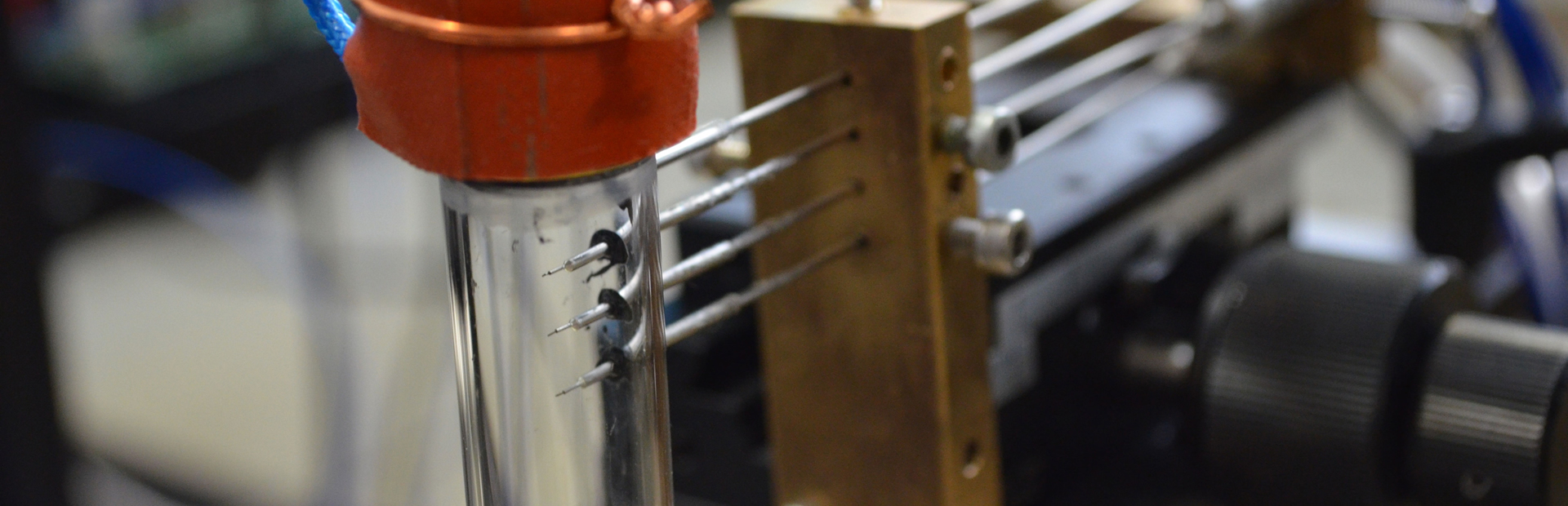
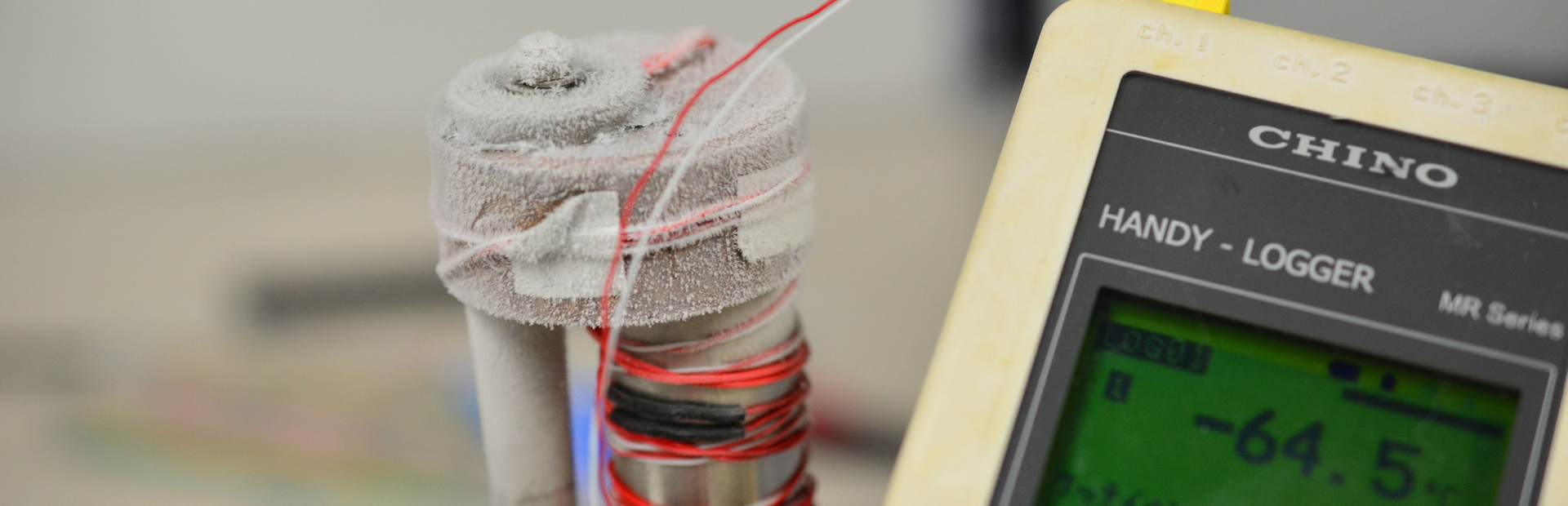
Sound waves propagating through gases are a classical problem discussed since Newton's time and a topic learned in high school physics. However, new thermal phenomena involving sound waves, known as "thermoacoustic phenomena," have recently been discovered. Many researchers were surprised to find such rich, previously unknown aspects in the familiar phenomenon of "sound waves," leading to growing interest in both their fundamentals and applications. Our laboratory focuses primarily on experimental research to discover new thermoacoustic phenomena and develop their applications.
Shoji Laboratory
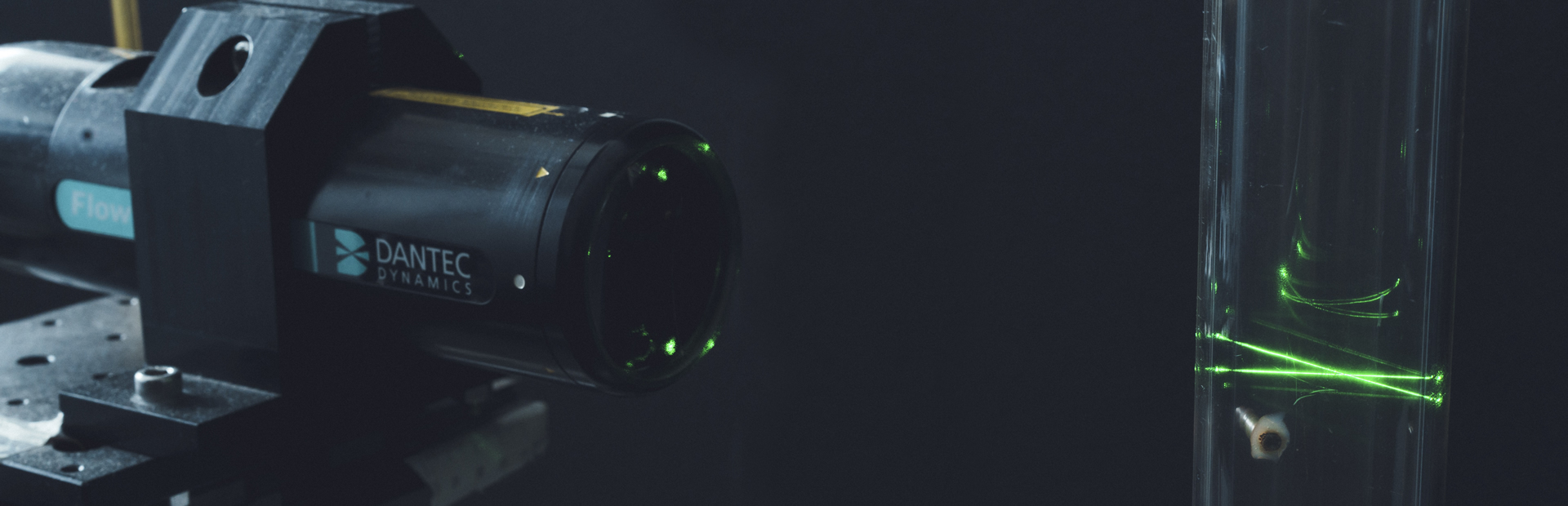
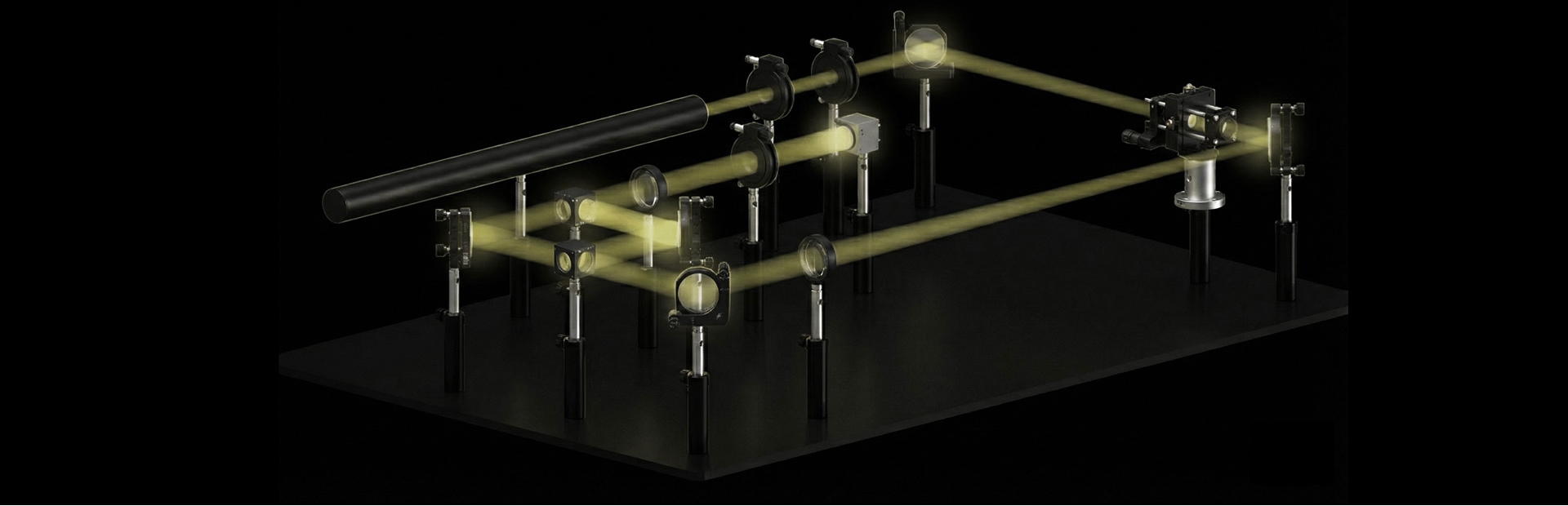
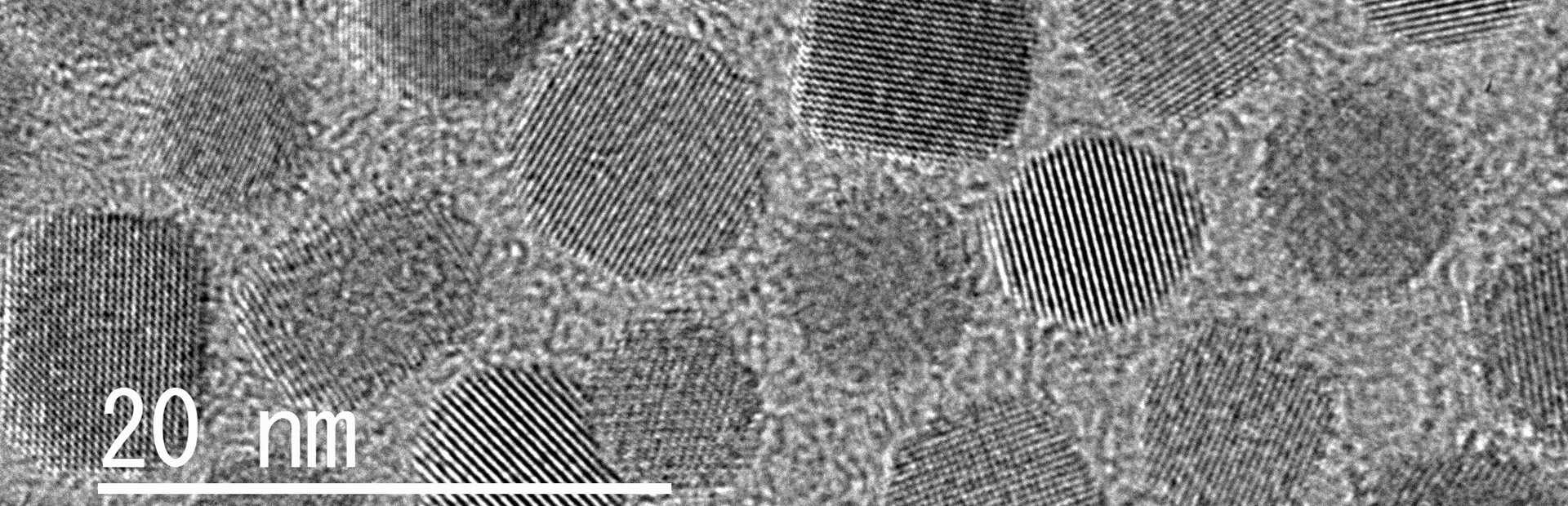
Understanding the transfer of heat and matter—or "flow"—that occurs in engineering processes is essential for process control and high efficiency. We develop techniques centered on optical measurement to observe phenomena that could not be captured by conventional methods, leading to a deeper understanding and the creation of new control methods and processes. We focus on the flow and wetting behavior of complex fluids, including nanomaterials, and the separation effects that occur in oscillating flows, aiming to discover, understand, and control phenomena and functions that do not manifest in Newtonian fluids or unidirectional flows.
Division of Mechanical Engineering, Tohoku University
The Biwa & Kusudo / Shoji Laboratory belongs to the Department of Mechanical Systems Engineering in the Graduate School of Engineering at Tohoku University.
Details on Mechanical EngineeringThermoacoustic Research Group
We hold research presentation meetings and seminars for beginners on research related to thermoacoustic phenomena several times a year.
Details on the Research Group